Glow up your hair in one sitting. The step-by-step guide that makes every braid look salon-made. Here is a little secret: the hairstyle you learned at age ten is now one of the most talked-about looks of 2027.
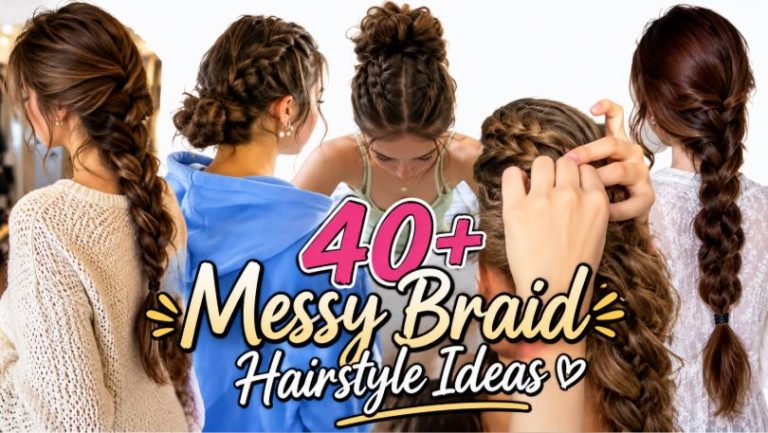
Editors and stylists are calling the French braid a major summer and transitional-season trend, and this year’s version is softer, more boho, and more polished than the tight school-day plait. Runways and street style in Paris have shown one-sided braids, mixed braids, and bubble-style braids. For winter to 2027, fashion reports point to “sophisticated braids” as part of the season’s hair story.
The best part? You do not need a salon. You need a comb, a few hair ties, and about 15 minutes. But there is one small mistake that ruins most first-time braids, and we will reveal it in Step 4 below. Keep reading, because it changes everything.
What Is Trending Right Now (2027 Update)
Based on current fashion and beauty coverage, these are the French braid styles getting the most attention this season:
- Soft boho French braid: loose, slightly pulled-out sections for a romantic, effortless look.
- One-sided French braid: a single braid along a side part, paired with a flowy blowout.
- French curl braids: braids that end in loose, bouncy curls. Very popular in the Black hair community and widely covered in 2026 styling guides.
- Bob braids with French curl ends: a lightweight, shorter protective style that salons report as one of the most requested looks.
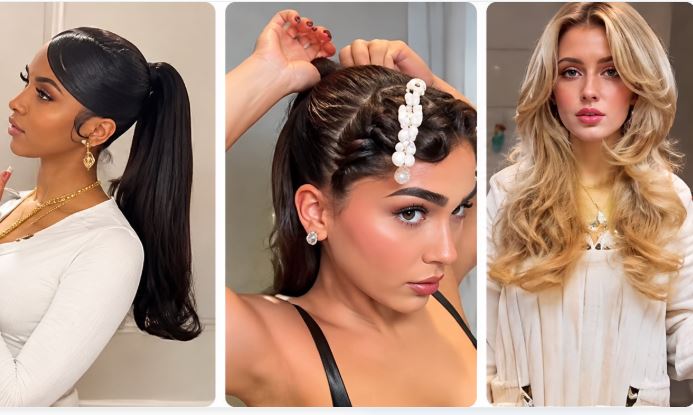
- Jewelled or accessorized braids: pearls, gold chains, and tiny gems woven in, often called the “cyber-glow” look for parties and weddings.
- Color-contrast braids: bold contrasting shades, such as black with neon accents, for a statement look.
- Half-up French braid headband: a braid that wraps across the head while the rest of the hair stays down. Great for beginners.
- Mixed and layered braids: French braids combined with other plaits, ponytails, or buns.
Note: this list reflects what current style publications are featuring. It is not exact search-volume data. For real demand numbers, check Pinterest Trends and Google Trends yourself before choosing your pin keywords.
Quick Comparison Table: Which French Braid Is Right for You?
| Style | Difficulty | Time | Best For | Hair Type |
|---|---|---|---|---|
| Simple front French braid | Easy | 10 to 15 min | School, work, everyday | All types |
| Classic back French braid | Medium | 15 to 20 min | Gym, travel, sleeping neat | Straight, wavy, curly |
| Side (one-sided) French braid | Easy | 10 min | Dates, brunch | Medium to long hair |
| Half-up braid headband | Easy | 8 to 10 min | Beginners, casual outings | Most types |
| Double French braids | Medium | 20 to 25 min | Sporty looks, festivals | Long hair |
| French curl braids (salon) | Advanced | 3 to 6 hrs | Protective style, glam look | Textured hair |
| Jewelled braid | Medium | 20 to 30 min | Weddings, parties | Most types |
Before You Start: The 5-Minute Prep That Makes Braids Last
What you need:
- A wide-tooth comb or detangling brush
- A rat-tail comb for clean parting
- Clear or matching hair ties
- Light styling product (edge control, leave-in cream, or texturizing spray)
- A small mirror or two mirrors for the back view
Prep tips:
- Slightly textured hair holds a braid better than freshly washed, silky hair. A little dry shampoo or texturizing spray gives grip.
- If your hair is dry or tightly coiled, apply a light leave-in cream first, then braid. Hydrated hair braids more smoothly and breaks less.
- Detangle gently from ends to roots before you begin.
How to Do a Simple French Braid (Front View, Step by Step)
This is the easiest version. It is perfect if you are learning.
Step 1: Brush and Part
Brush all hair back. Decide on a center part, side part, or no part. For a simple front braid, start at the top of the head, right above the forehead.
Step 2: Take a Starter Section
Grab a section about 2 to 3 inches wide at the crown. A bigger section gives a bold, chunky braid. A smaller section gives a delicate look. Divide it into three equal strands.
Step 3: Make the First Crossover
Cross the right strand over the middle strand. Then cross the left strand over the new middle strand. This is just a regular braid so far.
Step 4: Add Hair (The Step Everyone Gets Wrong)
Here is the secret. When you cross a side strand over the middle, pick up a thin new section of loose hair from that same side and add it to the strand before crossing. Most beginners grab too much hair at once, which makes the braid lumpy and uneven. Keep each added section thin and about the same size on both sides. This single habit is the difference between a messy braid and a smooth one.
Step 5: Keep Tension Even
Pull firmly but gently. Too tight causes headaches and can stress your edges and hairline. Too loose and the braid slips out within an hour. Aim for snug, not painful.
Step 6: Continue Down the Head
Repeat: cross, add, cross, add. Work your way down toward the nape of the neck.
Step 7: Finish the Braid
Once all loose hair is added, continue as a regular three-strand braid to the ends. Secure with a hair tie.
Step 8: Pancake for the Trendy Look
This is the 2026 trick. Gently pull the outer edges of each braid loop outward with your fingertips, working from the bottom up. This “pancaking” makes the braid look fuller, softer, and more boho. Stop once it looks full but not messy.
How to Do a French Braid at the Back (Classic Back Braid)
Braiding the back of your own head feels tricky at first. These steps make it easier.
Step 1: Position Yourself
Stand with your back to a large mirror and hold a handheld mirror in front of you. Or sit and braid in front of a mirror while checking the back reflection.
Step 2: Gather the Starting Section
Brush hair back and gather a section from the crown. Split into three strands.
Step 3: Braid With Your Fingers, Not Your Eyes
Let your fingers learn the pattern. Cross, add hair, cross. The movement is the same as the front braid, but your hands work behind you. If your arms get tired, rest for ten seconds and keep going. This is normal.
Step 4: Check Symmetry
After about five crossovers, glance at the mirror. If the braid is drifting to one side, gently pull it back to center before continuing.
Step 5: Finish and Secure
Braid to the ends, tie off, and pancake lightly.
Pro tip: If you struggle with the back, practice by braiding a friend or family member first. Seeing the pattern from outside speeds up learning.
French Braid Hairstyles for Black Women (Textured Hair Guide)
French braids look beautiful on all textures, and textured and coily hair actually holds braids very well. Here are tips to keep your hair healthy while you wear them.
Style Ideas
- Feed-in French braids: braids that gradually add extension hair for a sleek, full look.
- French curl braids: a trending style that finishes with loose curls at the ends. Salon-installed and long-lasting.
- Bob braids with French curl ends: shorter, lighter, and very popular this year.
- Natural-hair French braid: braid your own hair, no extensions, for a simple everyday style.
- Half-up braid with natural curls out: great for showing off texture while keeping hair controlled.
Care Tips for Textured Hair
- Moisturize first. Use a leave-in conditioner or water-based moisturizer, then seal with a light oil or butter before braiding.
- Protect your edges. Avoid pulling too tight at the hairline. Tension on edges is one of the main causes of traction-related hair loss.
- Sleep protected. Wrap or cover your braids with a satin scarf or bonnet at night.
- Do not leave braids in forever. Protective styles are generally best kept for a limited time. Many stylists suggest several weeks, not months, but follow the advice of your own stylist, who can see your hair.
- Cleanse your scalp. Use a diluted shampoo or scalp cleanser to remove buildup between washes.
- See a professional if you notice scalp pain, bumps, or thinning.
Salon vs. Home
For extension-based styles like French curl braids, a trained braider is recommended. For simple natural-hair French braids, you can absolutely do them at home with practice.
Five Easy Variations to Try After You Master the Basics
- Double French braids: part hair down the middle and braid each side. Sporty and cute.
- Side French braid: start near one temple and braid diagonally, finishing over one shoulder.
- Half-up braid headband: braid from one ear across the top of the head to the other, then leave the rest down.
- French braid into a ponytail or bun: braid the top, then gather everything into a sleek tail or bun for a clean, elevated look.
- Accessorized braid: weave in a thin ribbon, small pearl clips, or gold cuffs for a special-occasion glow.
Common Mistakes (And Easy Fixes)
| Mistake | Why It Happens | Quick Fix |
|---|---|---|
| Lumpy braid | Picking up sections that are too thick | Take thin, equal sections on both sides |
| Braid slides out | Hair too clean or slippery | Add texturizing spray or dry shampoo first |
| Crooked braid | Not checking the mirror | Pause every few crossovers and re-center |
| Headache or sore scalp | Pulling too tight | Loosen the braid and re-start with gentler tension |
| Flat, thin look | Skipped pancaking | Gently stretch the braid loops outward |
| Frizzy flyaways | Dry hair or friction |
Which French Braid Should You Try First? (Quick Quiz)
- I want something fast for work or school: Simple front French braid.
- I want a date-night or brunch look: One-sided side braid with a soft blowout.
- I want a protective style that lasts: French curl braids or bob braids from a professional braider.
- I want to look special for an event: Accessorized or jewelled braid.
- I am a total beginner: Half-up braid headband.
Frequently Asked Questions
Is a French braid the same as a Dutch braid? Not quite. In a French braid, strands cross over the middle. In a Dutch braid, they cross under, which makes the braid sit on top of the hair like a raised ridge.
How long does a French braid last? A braid on your own hair usually lasts a day or two. Slightly textured hair and a satin bonnet at night help it last longer.
Can I French braid short hair? Yes. Shoulder-length hair works well. For very short hair, try a small braid along the hairline or a headband braid.
Can I do a French braid on wet hair? You can, and it gives wavy texture when it dries. But for a sleek braid, work with slightly damp or dry hair. Very wet hair can stretch and weaken.