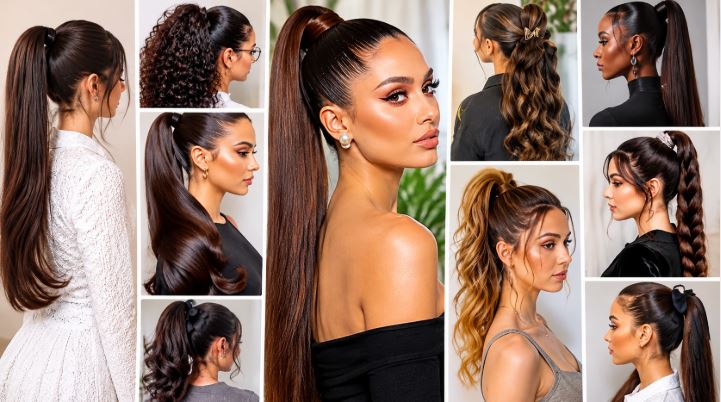
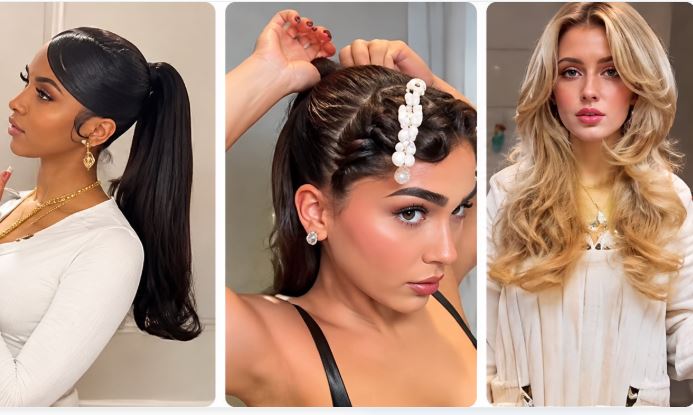
Learn how to get volume in hair naturally, at home, overnight and without products. A step-by-step guide for women and girls who want thicker, fuller, glow-up-ready hair. Your hair isn’t flat because you’re doing something wrong. It’s flat because nobody told you the real reasons. Read to the end for the secret most girls never learn.
Volume isn’t a trick. It’s a combination of scalp health, nutrition, smart styling and the right cut. Start with two or three steps, stay consistent for 8 to 12 weeks, and your hair will tell the story.

Which Volume Method Is Right for You?
Not sure where to start? Find your goal in this table, then jump to the matching step below for best hairstyle.
| Your goal | Best method | Results in | Effort | Product-free? |
|---|---|---|---|---|
| Volume for tomorrow morning | Overhead loose bun (Step 10) | 1 night | Low | Yes |
| Soft waves and body overnight | Braid waves (Step 11) | 1 night | Low | Yes |
| Fuller look at the roots today | Upside-down blow dry (Step 8) | 20 minutes | Medium | Yes |
| Roots that stop lying flat | Change your part (Step 9) | 1 to 2 weeks | Low | Yes |
| Less oily, flat roots | Scalp-only shampoo, ends-only conditioner (Step 6) | 1 wash | Low | Yes |
| Thicker-looking hair at the ends | Blunt cut with soft layers (Step 3) | 1 salon visit | Medium | Yes |
| Healthier scalp and stronger growth | Daily scalp massage (Step 1) | 8 to 24 weeks | Low | Yes |
| Fixing thinning from the inside | Protein, iron and vitamin check (Step 2) | 3 to 6 months | Medium | Yes |
| Support for scalp health | Diluted rosemary oil (Step 5) | 3 to 6 months | Medium | No |
The Truth About Flat Hair Nobody Talks About
You wake up, look in the mirror, and your hair is lying flat against your head like it gave up overnight. You’ve tried the sprays, the powders, the viral hacks. Nothing lasts past lunch.
Here’s what changes everything: volume is not one thing. It comes from three places: the health of your scalp, the structure of your strands, and the way you style and cut your hair. Fix only one and you’ll stay stuck. Fix all three and the difference is shocking.
This guide covers how to get volume in hair naturally, how to increase hair volume as a female at home, what actually works overnight, and the honest answer about whether volume can be permanent. Let’s start with that last one, because it’s where most blogs lie to you.
Can You Add Volume to Hair Permanently? (The Honest Answer)
No natural method can permanently add new follicles. The number of follicles you have is mostly set by genetics. Anyone promising permanent volume with one oil or one shampoo is selling a dream.
But here is the good news. You can create long-lasting volume that looks and feels permanent by:
- Waking up dormant, unhealthy follicles with better scalp care
- Preventing breakage so your hair stays thick all the way to the ends
- Choosing a cut that builds fullness into the shape of your hair
- Fixing nutrition gaps that quietly cause thinning
Think of it as building a volume foundation rather than a one-day trick. The steps below are ordered from long-term habits to quick fixes.
Part 1: Long-Term Volume Habits (Your Foundation)
Step 1: Start Scalp Massage Every Single Day
Your scalp is the soil your hair grows from. Tight, tense, under-circulated soil grows weaker hair.
How to do it:
- Use clean fingertips, not nails.
- Press gently and move small circles across your whole scalp, starting at the temples and working to the crown.
- Spend 4 to 5 minutes. Do it while your hair is dry, or in the shower with shampoo.
- Do it daily, ideally at night.
A small study on Japanese men found that standardized scalp massage was linked with thicker hair after about 24 weeks. It was a small study, so don’t expect miracles, but it’s free, relaxing and safe. The key is consistency over months, not days.
Step 2: Feed Your Hair From the Inside
Hair is one of the first things your body sacrifices when nutrition is low. If your hair feels thinner than it used to, check these areas:
- Protein: Hair is made of keratin, a protein. Eggs, lentils, fish, chicken, yogurt and nuts help.
- Iron: Low iron is a very common cause of shedding in women and girls, especially with heavy periods or restrictive diets. Spinach, lentils, red meat and beans help, paired with vitamin C for absorption.
- Zinc and vitamin D: Both are linked to healthy follicle function. Pumpkin seeds, chickpeas, eggs and safe sun exposure help.
- Healthy fats: Walnuts, flax seeds, avocado and olive oil support scalp health.
Important: Don’t blindly take biotin or heavy supplements. Biotin only helps if you’re actually deficient, and it can interfere with some lab tests. If you’re shedding a lot, ask a doctor for a blood test (iron/ferritin, thyroid, vitamin D) before spending money on pills.
Step 3: Choose a Cut That Builds Volume
This is the step most glow up guides skip, and it’s the fastest long-term change.
- Blunt or slightly tapered ends make fine hair look thicker because the bottom edge looks dense.
- Soft, long layers add movement. Too many short layers on fine hair can make ends look wispy, so ask for layers that start below the chin.
- Face-framing layers and curtain bangs add instant shape around the face.
- Regular trims every 8 to 10 weeks remove split ends that make hair look thin and stringy.
Tip: Bring a photo to your stylist and say, “I want fullness at the ends, not choppy layers.”
Step 4: Stop the Habits That Quietly Thin Your Hair
Sometimes you don’t need to add volume. You need to stop losing it.
- Very tight ponytails and buns every day (this can cause traction hair loss)
- Brushing wet hair aggressively, since wet strands are weakest
- Daily high-heat styling without protection
- Bleaching and heavy chemical treatments back to back
- Sleeping with hair tied tightly
Use a wide-tooth comb on wet hair, start from the ends, and work upward.
Step 5: Try Rosemary Oil the Smart Way
Rosemary oil is one of the biggest hair trends right now, and it has some research behind it. A small 2015 study compared rosemary oil with 2% minoxidil over six months and found similar results in people with a common type of hair loss. It’s a small study, so treat it as promising rather than proven.
How to use it safely:
- Never apply essential oil straight to the scalp. Mix 3 to 5 drops into 1 tablespoon of a carrier oil such as jojoba, coconut or castor oil.
- Do a patch test on your inner arm first and wait 24 hours.
- Massage into the scalp for 5 minutes (combine with Step 1).
- Leave for 30 minutes to a few hours, then wash out.
- Use 2 to 3 times a week, not daily.
Stop if you get itching, redness or burning.
Part 2: How to Get Volume in Hair Naturally at Home
Step 6: Wash Smarter, Not Harder
Oily roots flatten hair. Product buildup does too.
- Focus shampoo on the scalp only. The lather will clean the lengths as it rinses down.
- Shampoo twice if your hair is oily or you use a lot of styling products.
- Apply conditioner only from mid-lengths to ends. Conditioner on roots is a top cause of flat hair.
- Finish with a cool rinse. It helps smooth the hair cuticle so strands look shinier and a bit fuller.
Once a week or once every two weeks, do a clarifying wash to remove buildup, then follow with a light conditioner.
Step 7: The Apple Cider Vinegar Rinse (Use Carefully)
A diluted rinse can help remove residue and leave hair lighter.
- Mix 1 tablespoon apple cider vinegar with 1 cup of water.
- After shampooing, pour over the scalp and hair, avoid your eyes.
- Leave for 1 to 2 minutes, then rinse well.
- Limit to once a week. Too much can dry out and irritate.
Skip this if you have a sensitive scalp, eczema, or freshly colored hair.
Step 8: Blow Dry Upside Down (Even Without Fancy Tools)
Gravity is working against your roots. Flip it.
- Towel-dry gently until hair is damp, not dripping. Use a microfiber towel or old T-shirt.
- Flip your head over and dry the roots first on medium heat.
- Switch to cool air for the last 30 seconds to set the shape.
- Flip back up and lift the root with your fingers.
Always use heat protectant if you can. If you want to avoid heat completely, air-dry upside down and flip up when 80 percent dry.
Step 9: The Root Direction Trick (The One Everyone Misses)
Hair dries in the direction you point it. If you part it the same way every day, your roots learn to lie flat that way.
- Change your part every few days, or part on the opposite side while drying.
- Dry your roots in the opposite direction from where they naturally fall, then flip into place.
- Avoid pressing your hair flat with hats or headbands while damp.
This single change can give noticeable lift in a week, with no product at all.
Part 3: How to Get Volume in Hair Naturally Overnight
These methods work while you sleep. Start with fully dry or barely damp hair.
Step 10: The Overhead Loose Bun
- Flip your head upside down and gather your hair at the very top of your head.
- Twist it loosely and secure with a soft scrunchie. Do not pull tight.
- Sleep, then release in the morning and shake out the roots.
Result: lifted roots and soft bends through the lengths.
Step 11: Braid Waves for Body
- Divide damp (not wet) hair into 2 to 4 loose braids.
- Secure with soft elastics.
- Sleep on a silk or satin pillowcase to reduce friction.
- Undo in the morning, flip your head, and gently pull the waves apart with fingers.
The more braids, the tighter the waves. Loose braids give a fuller, softer look.
Step 12: The Pineapple Method and a Silk Pillowcase
- Gather hair into a very high, loose ponytail on top of your head.
- Use a silk scrunchie or soft hair tie.
- Sleep on silk or satin.
This protects curls and waves and prevents the flattening and frizz that cotton pillowcases cause.
How to Get Volume in Hair Without Products: Quick Checklist
- Wash scalp only, condition ends only
- Rinse with cool water
- Change your part
- Blow dry or air-dry upside down
- Sleep in a loose overhead bun or braids
- Brush your hair gently before washing to lift oils and loosen buildup
- Get regular trims
- Eat enough protein and iron
When to See a Doctor
See a doctor or dermatologist if you notice sudden shedding, bald patches, a widening part, or itching and pain on the scalp. These can be signs of thyroid issues, iron deficiency, hormonal conditions like PCOS, or other treatable problems. Natural tips support healthy hair, but they can’t replace a diagnosis.
Your 7-Day Volume Plan
- Day 1: Clarifying wash, then scalp massage
- Day 2: Change your part, upside-down dry
- Day 3: Rosemary and carrier oil scalp treatment
- Day 4: Braid waves overnight
- Day 5: Normal wash (scalp-only shampoo), cool rinse
- Day 6: Overhead bun overnight
- Day 7: Rest day, protein-rich meals, plan your trim
Repeat weekly. Take a photo of your hair every 2 weeks. Real changes show up in photos before they show in the mirror.